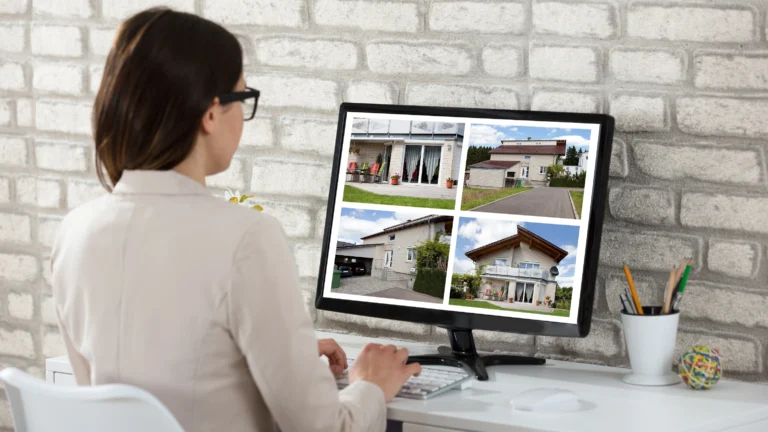
Sometimes you open a listing “just to look,” and ten minutes later you’re arranging imaginary furniture in a home you haven’t even stepped inside. The photos feel bright and airy. The price seems almost manageable. The kitchen looks updated enough. You check the map. You start calculating commute times you once said were non-negotiable.
It’s exciting.
And that’s exactly how it’s designed. A listing is built to create that first spark, using carefully selected photos and language that help you picture a life there before you’ve confirmed whether the home actually fits the way you live.
That’s a common story in this business. Not because buyers are careless, but because most people read listings as straightforward descriptions of a home rather than carefully constructed arguments for one.
After seventeen years of catching what listings leave out, we’ve learned the difference. Property marketing isn’t designed to lie. It’s designed to persuade. And persuasion lives in implication, not precision.
Why Listing Language Matters More Than Buyers Think
By now, the patterns appear over and over again. Not exactly rules, more like quiet signals. Specific details tend to signal confidence. Vague language often signals compromise. And what isn’t mentioned can matter more than what is.
Over time, you stop reading listings literally. Not because you’ve lost optimism, but because you’ve seen how often the same words lead to the same outcomes.
When we read a property description now, we’re not picturing furniture or paint colours. We’re reconstructing the house in our heads.
The Truth About Square Footage
Square footage is often where that reconstruction begins. Most buyers focus on bedroom count, but experienced agents instinctively pause at the total size.
A home listed as 1,200 square feet with three bedrooms and two bathrooms may work on paper, but in reality it often means tighter rooms, narrower circulation, and compromises the description never mentions.
Compare that to a home with 1,800 square feet and the same bedroom count and you get an entirely different living experience. Marketing copy doesn’t explain how a house breathes. The numbers do.
Reading Between the Lines on Layout and Floor Plans
Layout language works the same way. A primary bedroom with an ensuite quietly signals privacy and long-term comfort. Three bedrooms sharing one bathroom suggest a very different rhythm of daily life.
Neither is good nor bad. It’s about understanding how those patterns align with your routine.
How to Spot Truth and Hype in Renovation Claims
Renovations are where descriptions become the most confident, and sometimes the least specific.
A “finished basement” suggests extra living space. An “addition” feels like instant equity. But those words don’t tell you how the work was done or whether it was properly documented.
We’ve seen buyers fall in love with added square footage, only to discover during the conditional period that permits were never closed or inspections never finalized. The space still exists. The issue is what comes with it.
Unverified work can complicate insurance, delay resale, or become a negotiation point later when you are the one trying to sell. What appears to be value in a listing can quietly become friction in real life.
What “Great Location” and “Walking Distance” Really Mean
Location descriptions follow the same pattern. “Walking distance to transit” sounds reassuring, until you realize how flexible that phrase can be. Two blocks and twenty minutes can both qualify.
When listings are specific about distances, schools, or landmarks, we trust them more. When they aren’t, we open Google Maps before we open the front door.
The Biggest Red Flags Are What Listings Leave Out
Some of the most important clues are the quiet ones. Not what the listing highlights, but what it leaves out.
If the age of the roof, furnace, or water heater isn’t mentioned, we don’t assume it was overlooked. Sellers are proud of recent upgrades. Silence often signals future expenses.
We once showed a “cozy cottage” that never mentioned heating at all. It relied on baseboard electric heat in a poorly insulated 1920s home. The charm didn’t survive the utility estimates.
The Truth Behind Listing Photos: What You See and What You Don’t
Photos tell their own quiet stories.
Homes photographed only from corners. Rooms never shown in full. Descriptions that linger on finishes but never pull back far enough to reveal the true proportions of the space. After enough showings, you learn to recognize what is being avoided.
Real Estate Phrases You’ll See Everywhere
Certain phrases eventually become unmistakable:
“Great bones.” The structure is sound, but everything else likely needs work.
“Bring your vision.” The current condition requires imagination and a budget.
“Investor special.” Usually not suitable for anyone hoping to move in soon.
None of these mean a house is bad. They mean the house needs work, and the price a buyer offers should reflect that reality.
The Listings We Trust Most
Ironically, the listings we trust most are the ones that sound almost boring. The ones that list dates, permits, warranties, and service records. They don’t try to make buyers imagine. They allow them to verify.
Over time, you also learn to read listings for something less obvious: how a home has been lived in.
A fenced yard with a sprinkler system suggests consistency and care.
A finished basement designed for hosting hints at how evenings were spent.
A mudroom with built-in storage signals real routines, not just staging.
Reading for Truth Instead of Features
By the time we finish reading a listing, we’re not deciding whether we like the house. We’re evaluating whether the listing’s story can survive reality. Some poorly written listings hide wonderful homes. Some beautifully written listings hide expensive truths.
There’s no single formula for interpreting property marketing, but with experience, you begin to recognize patterns. The real skill isn’t understanding what listings say. It’s learning to hear what they don’t.
If you have questions or want help reviewing a listing, we’re happy to walk you through it. At the end of the day, nothing replaces experience and physically visiting a property with someone who knows what to look for.
If you’d like guidance on a specific home, connect with one of our agents and we’ll review it together. We’re here to help you find the right option and negotiate the strongest possible terms.