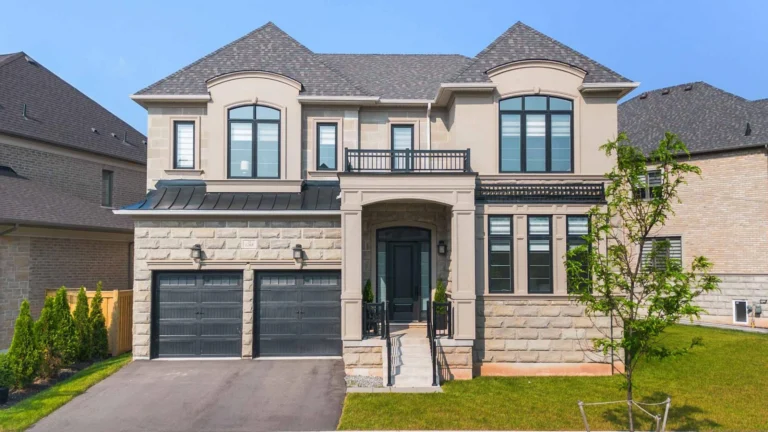
(Before It Quietly Costs You Thousands in Unexpected Expenses)
Buying a home is likely the largest financial decision you will ever make. And while a property may look “move-in ready” during an open house, what you see in twenty minutes rarely tells the full story.
The real risks are often quiet. They sit behind fresh paint, staged furniture, and carefully chosen listing photos. They do not announce themselves. They show up months later — in invoices.
That is why knowing where to look matters.
Here are 10 areas that deserve closer attention before you commit.
Quick Summary: Hidden Home Buying Costs in Ontario
Before purchasing a home, review:
- Foundation condition and structural stability
- Roof age and drainage performance
- Electrical system capacity and safety
- Closing adjustments and legal fees
- Moisture, mold, or cosmetic cover-ups
- HVAC system age and replacement timeline
- Land transfer tax obligations
- Window condition and insulation failure
- Renovation permits and code compliance
- Final walkthrough condition before closing
Each one can represent thousands of dollars in future costs if overlooked.
1.Foundation Issues
Potential Cost: $10,000 to $50,000+
Everything in the home rests on the foundation. When structural movement occurs, it rarely starts dramatically. It begins subtly.
A small crack. A door that sticks. A floor that feels slightly uneven.
These details can signal deeper structural stress long before major damage becomes obvious.
Watch for:
- Horizontal cracks in basement walls
- Uneven flooring
- Doors that stick or do not close properly
- Fresh patching or isolated paint touch-ups
Foundation repairs are among the most expensive fixes a homeowner can face. Early awareness makes a difference.
Once the structure appears stable, attention shifts upward.
2.Roof Wear and Drainage Problems
Potential Cost: $8,000 to $20,000
The roof absorbs years of weather exposure. Even homes that look well maintained eventually show wear.
Drainage is just as important as shingles. Poor water flow around the property can quietly undermine both the roof and the foundation.
Look for:
- Missing or curling shingles
- Water stains in attic ceilings
- Gutters pulling away from the home
- Improper drainage near the foundation
Water damage rarely stays contained. It expands.
With the exterior reviewed, the next layer to consider is what powers daily life inside the home.
3.Electrical System Upgrades
Potential Cost: $10,000 or more
Older electrical systems were not designed for today’s energy usage. Panels may be outdated. Service capacity may be limited.
Sometimes everything “works,” but that does not mean it meets modern safety standards.
Pay attention to:
- Flickering lights
- Warm outlets
- Outdated electrical panels
- Insufficient service capacity
Upgrades are not cosmetic. They are about safety and long-term reliability.
4.Closing Adjustments and Additional Fees
Potential Cost: $2,000 to $5,000+
Not all costs are visible during a showing.
Beyond the purchase price, buyers are responsible for closing adjustments. These include prepaid taxes, utilities, and legal fees that are reconciled on closing.
Common adjustments include:
- Property tax reimbursements
- Utility balances
- Fuel tank reimbursements
- Legal closing fees
These expenses are normal. They simply need to be planned for.
While numbers matter, condition matters just as much.
5.Moisture, Mold, and Cosmetic Repairs
Potential Cost: $5,000 to $15,000
Fresh paint can brighten a room. It can also hide a recent repair.
Most sellers present their homes well. Still, buyers should remain observant. Moisture issues tend to develop gradually and can be expensive to remediate.
Warning signs include:
- Musty odors
- Bubbling paint
- Discoloration near windows
- Recently repainted isolated areas
Cosmetic upgrades should never replace proper inspection.
From behind the walls to behind the scenes, systems deserve their own review.
6.HVAC System Replacement
Potential Cost: $5,000 to $12,000
Heating, cooling, and water heating systems often work quietly for years. Then, suddenly, they do not.
Most equipment has a predictable lifespan. Knowing the age and condition allows you to plan instead of react.
Confirm before buying:
- Age of furnace and air conditioning units
- Ownership versus rental agreements
- Maintenance history
A well-maintained system reduces surprises after move-in.
Beyond the physical home, there are financial obligations that apply the moment you close.
7.Land Transfer Tax in Ontario
Potential Cost: $8,000 to $30,000+
In Ontario, buyers pay provincial land transfer tax. In Toronto, there is also a municipal land transfer tax.
First-time buyer rebates may reduce the amount, but they rarely eliminate it entirely.
Understanding this cost ahead of time prevents last-minute financial pressure.
Long-term comfort and efficiency also deserve consideration.
8.Window Replacement Costs
Potential Cost: $10,000 to $20,000
Windows influence insulation, energy efficiency, and overall comfort. Seal failure reduces performance and increases heating and cooling costs.
Check during showings:
- Condensation between glass panes
- Difficulty opening or closing windows
- Drafts or noticeable insulation loss
Window replacement is a common long-term maintenance expense.
Renovations may add value, but only if they were completed properly.
9.Unpermitted Renovations
Potential Cost: $5,000 to $25,000+
Basement finishes, removed walls, additions, or secondary suites must comply with building codes and permit requirements.
Unpermitted work can create safety issues, insurance complications, and resale challenges.
Confirm documentation for:
- Basement renovations
- Structural changes
- Additions
- Secondary suites
Permits protect both safety and long-term value.
Finally, before ownership transfers, there is one last safeguard.
10. Final Walkthrough Before Closing
Potential Cost: $1,000 to $5,000 if issues are discovered late
The final walkthrough confirms that the home remains in the condition agreed upon in the contract.
Confirm that:
- Appliancesremainin place
- Fixtures are intact
- No new damage has occurred
- Property condition is unchanged
It is the last opportunity to catch an issue before keys are exchanged.
One final recommendation: always include a home inspection condition.
In competitive markets, it can be tempting to go firm to win a bidding war. But a $500 inspection may be the most cost-effective protection you buy against a $50,000 mistake.
If you are planning to buy, we would be happy to guide you through these details.
Book a consultation here to discuss your needs, priorities, and budget before you make a commitment.